
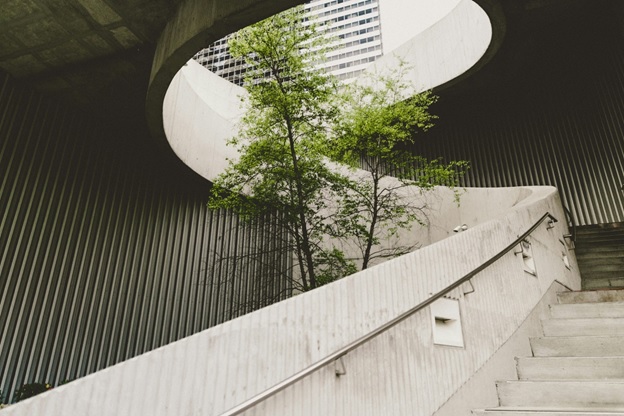
Photo by Alexander Abero on Unsplash
Creating Resilient, Eco-Friendly Homes
As we stand at the crossroads of environmental challenges and urban growth, the concept of sustainable housing has emerged as a beacon of hope. It’s not just about solar panels and energy-efficient appliances; it’s a holistic approach that transforms how we design, build, and inhabit our homes. Let’s delve into why sustainability is the future of housing.
1. Environmental Imperatives
Our planet faces unprecedented threats from climate change, resource depletion, and pollution. Sustainable housing addresses these challenges head-on. From reducing carbon emissions to conserving water, every aspect matters. Imagine homes that generate their own energy, capture rainwater, and minimize waste. These aren’t distant dreams; they’re becoming reality.
2. Net-Zero and Beyond
Net-zero energy homes produce as much energy as they consume. They achieve this through a combination of passive design (think optimal orientation, insulation, and natural ventilation) and active systems (like solar panels and geothermal heat pumps). But the future goes beyond net-zero. We’re talking about positive-energy homes that contribute surplus energy back to the grid.
3. All-Electric Living
Say goodbye to gas stoves and furnaces. Sustainable housing embraces all-electric systems. Heat pumps replace gas heaters, induction cooktops replace traditional burners, and electric vehicles charge in our garages. This shift reduces greenhouse gas emissions and improves indoor air quality. Cities like Seattle and San Francisco are leading the way.
4. Smart Homes, Smarter Living
The future home isn’t just energy-efficient; it’s intelligent. Smart thermostats adjust temperatures based on occupancy. Sensors detect leaks and shut off water supply. Lighting systems adapt to natural light levels. And all this happens seamlessly, making our lives easier while minimizing waste.
5. Circular Economy
Sustainable housing extends beyond construction. It’s about using durable materials, recycling, and repurposing. Imagine modular homes that can be disassembled and reassembled elsewhere. Or furniture made from reclaimed wood. The circular economy ensures that nothing goes to waste.
6. Resilience in the Face of Disasters
Climate change brings more frequent and severe weather events. Sustainable homes are designed to withstand hurricanes, floods, and wildfires. From elevated foundations to impact-resistant windows, they protect us and our investments. And let’s not forget green roofs that absorb rainwater and reduce runoff.
7. Community-Centric Living
Sustainable neighborhoods prioritize walkability, public transit, and green spaces. They foster a sense of community, reducing reliance on cars and promoting healthier lifestyles. Imagine living in a place where your daily needs are within walking distance, and you know your neighbors by name.
Conclusion
Sustainability isn’t a luxury; it’s a necessity. As architects, builders, and homeowners, we hold the keys to a greener, more resilient future. Let’s unlock the potential of sustainable housing—one solar panel, one rain barrel, and one energy-efficient window at a time. Our planet—and our children—will thank us.
Remember, the future of housing lies in our hands. Let’s build homes that not only shelter us but also protect the Earth we call home.