
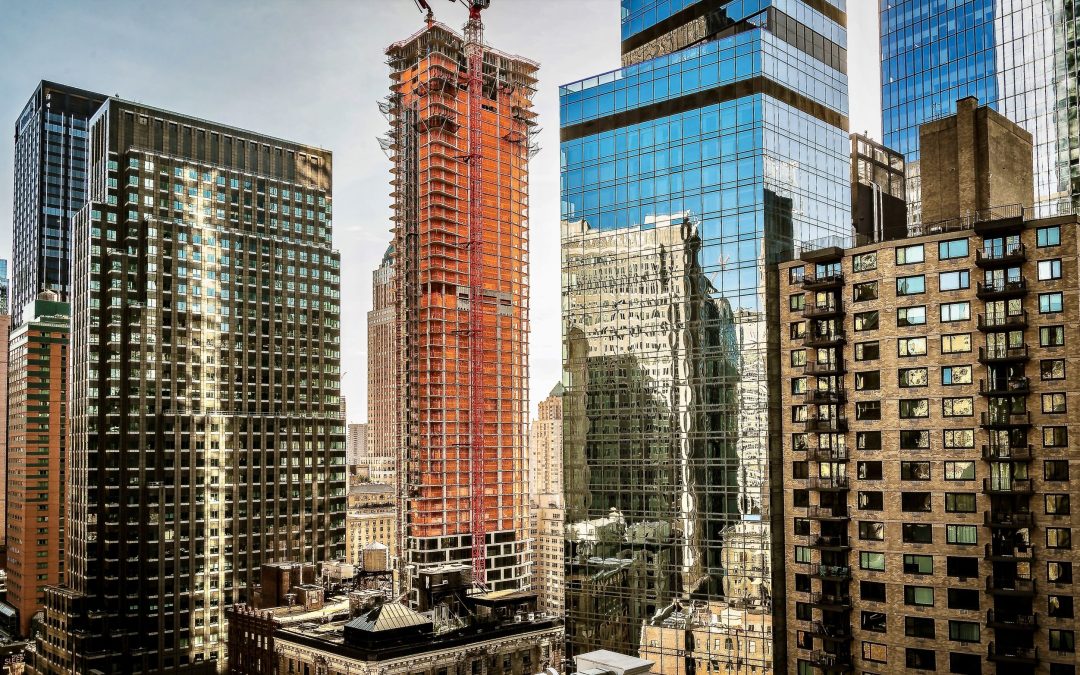
Nestled along the majestic Hudson River, Albany, New York, stands as a beacon of opportunity in the heart of the Empire State. As the capital city, Albany boasts a rich history, vibrant culture, and a burgeoning commercial real estate market. In this article, we’ll take a closer look at the dynamics of Albany’s commercial real estate landscape, exploring key trends, investment prospects, and the factors shaping its economic resurgence.
Economic Overview
Albany’s economy is characterized by its diverse mix of industries, including government, healthcare, education, technology, and finance. This economic diversity, coupled with its strategic location between New York City and Montreal, positions Albany as a prime destination for businesses seeking regional connectivity and growth opportunities.
Commercial Real Estate Trends
Office Spaces
Albany’s downtown core is home to a thriving office market, with a mix of Class A and Class B office spaces catering to a range of businesses. The presence of government agencies, law firms, and financial institutions drives demand for office space in prime locations, while newer developments offer modern amenities and flexible lease options.
Healthcare and Life Sciences
Albany’s robust healthcare sector, anchored by institutions like Albany Medical Center and St. Peter’s Health Partners, fuels demand for specialized medical office spaces and research facilities. The convergence of healthcare and life sciences industries presents opportunities for innovation and collaboration in the commercial real estate market.
Retail and Hospitality
The retail landscape in Albany reflects the city’s diverse demographics and growing consumer base. From upscale shopping centers to neighborhood boutiques, retail properties cater to a range of preferences and lifestyles. Additionally, Albany’s vibrant hospitality sector attracts visitors with its array of hotels, restaurants, and entertainment venues.
Mixed-Use Developments
Mixed-use developments are reshaping Albany’s urban fabric, integrating residential, commercial, and recreational spaces to create vibrant live-work-play environments. These projects contribute to downtown revitalization efforts, fostering a sense of community and connectivity.
Key Factors Driving the Market
Government Presence and Stability
Albany’s status as the state capital ensures a stable demand for commercial real estate, particularly in the government sector. The presence of state agencies and legislative offices provides a reliable tenant base and stability in the market.
Education and Innovation
Albany’s educational institutions, including the University at Albany and Rensselaer Polytechnic Institute, foster a culture of innovation and entrepreneurship. Collaborations between academia and industry drive demand for research and development facilities, spurring growth in the commercial real estate market.
Transportation Infrastructure
Albany’s strategic location along major transportation arteries, including Interstate 90 and the Albany International Airport, enhances its accessibility and connectivity. Proximity to transportation hubs attracts businesses and facilitates the movement of goods and people, bolstering demand for commercial real estate.
Challenges and Future Outlook
While Albany’s commercial real estate market is marked by resilience and growth, it faces challenges such as aging infrastructure, vacant properties, and market competition. However, proactive planning, public-private partnerships, and investment in infrastructure position Albany for continued economic expansion and revitalization.
Conclusion
Albany, New York, is a city on the rise, with its commercial real estate market catalyzing growth and development. From office towers that reflect the city’s economic prominence to mixed-use developments that foster community engagement, Albany offers a diverse range of opportunities for investors, developers, and businesses. As Albany continues to evolve and adapt to changing market dynamics, the prospects for its commercial real estate market remain bright, promising a future filled with innovation, collaboration, and prosperity.